25 training ideas for employees that boost skills
| Reading time:


Training budgets keep growing, yet plenty of companies still struggle to close skills gaps that hold back growth. Usually the problem isn’t effort. It’s a mismatch between how training gets designed and how employees actually want to learn. This list gives you 25 practical ways to build skills, boost engagement, and keep your workforce ready for whatever 2026 brings.
Whether you’re rebuilding your training plans from scratch or hunting for new professional development topics to add to an existing program, these ideas span every format, budget, and skill level.
What makes employee training effective
Effective training in 2026 comes down to understanding what your workforce actually needs, not just what’s easy to deliver. That means personalizing learning experiences for different styles and using technology to keep people engaged, while treating development as an ongoing process instead of a single event on the calendar. Organizations that get this right build a culture of learning that supports both business goals and individual career aspirations, which makes training feel relevant rather than obligatory.
How learning preferences and workplace trends are shifting
Remote and hybrid work have changed what employees expect from training. Flexible, on-demand options that fit into unpredictable schedules now matter more than rigid, one-size-fits-all sessions. Microlearning has grown in popularity for exactly this reason: bite-sized content is easier to retain and apply on the job than a dense, hours-long session competing with a full workload. Employees also increasingly want training and development opportunities that connect directly to their career goals, which is pushing personalized learning pathways to the front of the line. Digital platforms have made this easier too, supporting peer-to-peer knowledge sharing and mentorship at scale.
Signs your current training approach needs a refresh
Low engagement, high turnover, and feedback saying training feels irrelevant are all warning signs worth taking seriously. If employees seem disengaged or keep asking for more interactive, hands-on learning, your current approach may be due for an overhaul. Persistent skills gaps or stalled performance metrics are also red flags, particularly when the same roles keep coming up short year after year despite repeated training investment. When these patterns show up together, your training plans usually need more than a minor tweak.
Foundational training ideas for skill-building
Before diving into flashier formats, it helps to get the fundamentals right. These five ideas set the stage for everything else on this list.
1. Personalized Onboarding Journeys
Personalized onboarding tailors the new-hire experience to each person’s role and background instead of running everyone through the same generic checklist. This builds a sense of belonging faster and gets new employees productive sooner by connecting them with relevant resources and people from day one. The pitfall to avoid is treating “personalized” as just swapping a logo on a template; the content itself needs to differ by role.
2. Microlearning Modules For Busy Schedules
Microlearning breaks content into short, focused lessons that fit into a busy day without derailing it. This format supports better retention and lets employees learn at their own pace. The best implementation tip here is to anchor each module to a single, immediately usable skill rather than trying to compress a full course into shorter chunks.
3. Skills Gap Assessments Before Training Begins
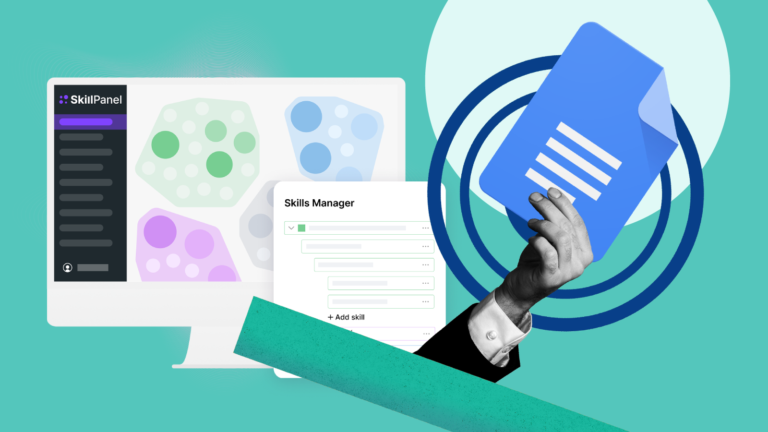
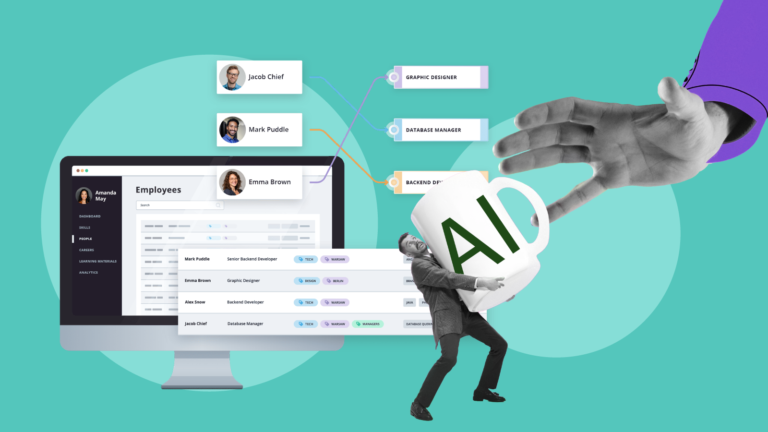
Jumping into training without first identifying gaps is a common mistake. A proper skills gap assessment pinpoints exactly where development is needed, so training time and budget go toward what actually matters to both employees and the business. This is where a platform like SkillPanel proves useful, though it’s not the only route: some organizations rely on manager reviews or performance data instead. SkillPanel’s predictive gap analysis and dynamic skills map give organizations a clear, real-time picture of where capabilities fall short across roles and departments, so training decisions are based on data instead of guesswork.
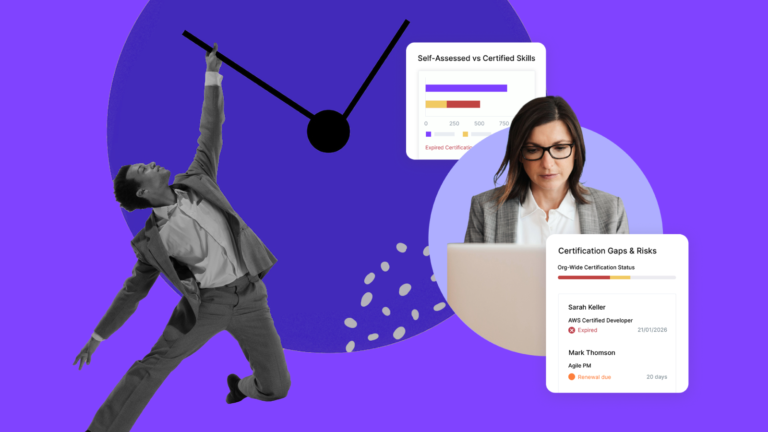
4. Certification And Course Pathways
Structured certification pathways give employees clear milestones to work toward, which keeps motivation high and results in credentials that carry real career value. The trade-off worth planning for is time: certification tracks take longer to show results than shorter workshops, so pair them with nearer-term wins elsewhere in your program.
5. Cross-training For Role Flexibility
Cross-training prepares employees to step into different roles when needed, which strengthens collaboration and gives organizations a buffer against unexpected absences or shifting workloads. It works best when paired with documentation, since informal cross-training tends to fade once the person who taught it moves on.
Mentorship and peer-led development ideas
Not every skill needs a classroom. Peer-led development ideas tap into the knowledge already sitting inside your organization.
6. Structured Mentorship Programs
Structured mentorship pairs experienced employees with newer team members to transfer knowledge and build relationships that extend beyond the immediate task at hand. It grows talent from within rather than relying solely on outside resources, but it only works if mentors get dedicated time, not just an extra responsibility layered onto an already full plate.
7. Reverse Mentoring Between Generations
Reverse mentoring flips the traditional model, letting younger employees share fresh perspectives with senior leaders. This approach promotes inclusivity and innovation while closing generational gaps that can otherwise slow down collaboration.
8. Skills Swap Sessions With Internal Experts
Skills swap sessions invite employees to teach each other based on their own areas of expertise. This creates a collaborative learning environment that puts internal talent to work and builds a stronger sense of community across teams. It often surfaces expertise managers didn’t even know was sitting on their own team.
9. Peer Teaching And Knowledge-sharing Circles
Peer teaching circles give employees ownership over their own learning while building confidence and communication skills through group discussion. They rely on participation rather than passive listening, so keeping groups small tends to matter more than the topic itself.
10. Lunch-and-learn Sessions With Real Substance
Lunch-and-learns get a bad reputation when they’re treated as filler. Choosing topics that genuinely grab people’s interest changes the equation, turning a relaxed, low-cost format into one that people actually look forward to attending.
Interactive and gamified training ideas
If your team is tired of sitting through lectures, gamified and interactive formats offer a change of pace that also happens to improve retention.
11. Gamified Learning With Points And Leaderboards
Adding points, badges, and leaderboards introduces friendly competition that motivates employees to actively engage instead of just going through the motions. The catch is balance: leaderboards can demotivate employees who consistently rank near the bottom, so pair them with individual progress tracking too.
12. Escape Room And Puzzle-based Challenges
Escape rooms and puzzle challenges push teams to solve problems together under time pressure, building both teamwork and critical thinking in a memorable way. These work especially well for teams that need a break from screen-based learning.
13. Scenario-based Role-playing Exercises
Role-playing exercises put employees into realistic situations so they can practice responses before facing the real thing. This method works particularly well for customer-facing teams or anyone preparing for high-stakes conversations, though it requires a facilitator comfortable giving direct feedback in the moment.
14. Trivia And Quiz Competitions
Trivia and quiz formats reinforce material in a lighthearted way while still testing retention. They build camaraderie among employees and require minimal setup, making them an easy addition even for teams with no training budget to spare.
15. Innovation Labs And Hackathons
Innovation labs and hackathons bring employees together to solve real business problems creatively, often producing ideas that go beyond skill development into actual business value. The main risk is follow-through: without a clear process for evaluating and acting on the ideas generated, momentum fades quickly.
Experiential and on-the-job training ideas
Some skills only click when employees learn by doing. These job training types focus on direct, hands-on experience.
16. Cross-functional Job Shadowing
Job shadowing across departments helps employees understand how the wider organization operates, which builds empathy and improves cross-team collaboration, all without pulling people away from their primary role for long.
17. Stretch Assignments And Project Rotations
Stretch assignments push employees outside their comfort zone by giving them responsibilities slightly beyond their current skill level. Project rotations work similarly, exposing employees to new challenges that prepare them for future leadership roles, provided managers set expectations upfront so the stretch feels supported rather than sink-or-swim.
18. Simulation-based Practice For Technical Skills
Simulations let employees practice technical skills in a controlled environment where mistakes carry no real-world consequences. This makes them especially valuable for roles where errors during live work would be costly or risky.
19. Virtual Reality And Ar Skill Simulations
VR and AR take simulation-based training a step further by creating fully immersive environments. These tools work particularly well for complex or technical skills that are hard to practice safely any other way, though the upfront cost means they tend to make the most sense for high-risk or high-repetition skills rather than one-off training needs.
Leadership and soft skills training ideas
Technical skills only get a team so far. Leadership and soft skills training rounds out a well-balanced development strategy.
20. Leadership Development Tracks For Emerging Managers
Leadership tracks give emerging managers the tools they need to lead effectively, building a pipeline of capable leaders instead of promoting people into roles they aren’t ready for. This directly supports succession planning , but it only pays off if participation is based on potential rather than tenure alone.
21. Communication And Presentation Skills Workshops
Workshops focused on communication and presentation skills help employees convey ideas clearly and with confidence, which improves collaboration across the board. The payoff extends into almost every part of the job, which is why these sessions tend to have some of the broadest applicability of anything on this list.
22. Conflict Resolution And Difficult Conversations Training
Training employees to handle conflict and difficult conversations head-on leads to a more harmonious workplace and prevents small issues from escalating into formal complaints or turnover.
23. Emotional Intelligence And Well-being Workshops
Emotional intelligence workshops build self-awareness and interpersonal skills, both of which contribute to a healthier culture and better morale. These sessions round out employee training topics that focus on the human side of the workplace rather than technical output alone.
External and community-based learning ideas
Sometimes the best learning happens outside company walls entirely.
24. Sending Employees To Industry Conferences And Workshops
Conferences and external workshops expose employees to new ideas, industry trends, and networking opportunities they wouldn’t get internally. This investment often pays off well beyond the event itself: attendees come back with fresh thinking that shapes internal training plans for months afterward, especially when they’re asked to share what they learned with the wider team.
25. Inviting Outside Experts And Building External Partnerships
Bringing outside experts in for training sessions enriches the learning experience with fresh perspectives from industry leaders. A one-time session can turn into a recurring source of insight if you keep the relationship going, rather than treating it as a single line item on a training calendar.
How to choose the right training ideas for your team
With 25 ideas on the table, the real challenge is picking the ones that fit your team.
Matching training formats to business goals and skill gaps
The training formats you choose should map directly to your business objectives and the skill gaps you’ve actually identified, not just what’s trending. This is where identifying gaps accurately matters most. SkillPanel’s approach, which combines self-assessments, peer reviews, manager input, and technical evaluations, gives organizations a fuller picture of where employees stand before committing to a specific training path, though any consistent, multi-source assessment process can achieve a similar effect. That kind of visibility helps ensure training dollars go toward the skills that will move the business forward.
Budget-friendly options vs. higher-investment programs
Not every organization can fund VR simulations or send every employee to a conference, and that’s fine. Lunch-and-learns, peer teaching circles, and internal skills swaps cost little beyond time, while certification pathways and leadership tracks require bigger investment but often deliver longer-term returns. Balancing both types of programs lets you build a strategy that fits your actual budget.
Making training stick: Implementation best practices
Choosing the right training ideas is only half the job. Making sure the training actually sticks is where many programs fall short.
Setting clear learning objectives and success metrics
Every training initiative needs clear objectives and metrics tied to them from the start. Without this, it becomes almost impossible to tell whether a program is working or just checking a box on your training plan.
Reinforcing skills after the training ends
Skills fade quickly without reinforcement. Follow-up sessions and ongoing manager support help, but nothing beats giving employees an actual chance to apply new skills on the job soon after they learn them, so what they picked up doesn’t get forgotten within weeks.
Measuring ROI and employee progress over time
Regularly tracking ROI and individual progress lets organizations see what’s working and adjust what isn’t. SkillPanel supports this with analytics for workforce trends and ROI tracking, plus integration with online learning providers and centralized training requests, so HR teams can manage development activities and measure their impact from one place instead of piecing together data from multiple systems.
Bringing it all together: Building a stronger team in 2026
Building a stronger team in 2026 means treating training as an ongoing commitment rather than a checkbox exercise. Combine a diverse mix of these training ideas with clear visibility into where your workforce actually stands, and development stops being guesswork. Platforms like SkillPanel make that visibility possible by mapping skills across your organization, tying assessment, planning, and measurable growth together instead of leaving them as separate exercises. Companies that invest in this kind of clarity now will be the ones with genuinely future-ready teams when 2026 arrives.
Training budgets keep growing, yet plenty of companies still struggle to close skills gaps that hold back growth. Usually the problem isn’t effort. It’s a mismatch between how training gets designed and how employees actually want to learn. This list gives you 25 practical ways to build skills, boost engagement, and keep your workforce ready for whatever 2026 brings.
Whether you’re rebuilding your training plans from scratch or hunting for new professional development topics to add to an existing program, these ideas span every format, budget, and skill level.
What makes employee training effective in 2026
Effective training in 2026 comes down to understanding what your workforce actually needs, not just what’s easy to deliver. That means personalizing learning experiences for different styles and using technology to keep people engaged, while treating development as an ongoing process instead of a single event on the calendar. Organizations that get this right build a culture of learning that supports both business goals and individual career aspirations, which makes training feel relevant rather than obligatory.
How learning preferences and workplace trends are shifting
Remote and hybrid work have changed what employees expect from training. Flexible, on-demand options that fit into unpredictable schedules now matter more than rigid, one-size-fits-all sessions. Microlearning has grown in popularity for exactly this reason: bite-sized content is easier to retain and apply on the job than a dense, hours-long session competing with a full workload. Employees also increasingly want training and development opportunities that connect directly to their career goals, which is pushing personalized learning pathways to the front of the line. Digital platforms have made this easier too, supporting peer-to-peer knowledge sharing and mentorship at scale.
Signs your current training approach needs a refresh
Low engagement, high turnover, and feedback saying training feels irrelevant are all warning signs worth taking seriously. If employees seem disengaged or keep asking for more interactive, hands-on learning, your current approach may be due for an overhaul. Persistent skills gaps or stalled performance metrics are also red flags, particularly when the same roles keep coming up short year after year despite repeated training investment. When these patterns show up together, your training plans usually need more than a minor tweak.
Foundational training ideas for skill-building
Before diving into flashier formats, it helps to get the fundamentals right. These five ideas set the stage for everything else on this list.
1. Personalized Onboarding Journeys
Personalized onboarding tailors the new-hire experience to each person’s role and background instead of running everyone through the same generic checklist. This builds a sense of belonging faster and gets new employees productive sooner by connecting them with relevant resources and people from day one. The pitfall to avoid is treating “personalized” as just swapping a logo on a template; the content itself needs to differ by role.
2. Microlearning Modules For Busy Schedules
Microlearning breaks content into short, focused lessons that fit into a busy day without derailing it. This format supports better retention and lets employees learn at their own pace. The best implementation tip here is to anchor each module to a single, immediately usable skill rather than trying to compress a full course into shorter chunks.
3. Skills Gap Assessments Before Training Begins
Jumping into training without first identifying gaps is a common mistake. A proper skills gap assessment pinpoints exactly where development is needed, so training time and budget go toward what actually matters to both employees and the business. This is where a platform like SkillPanel proves useful, though it’s not the only route: some organizations rely on manager reviews or performance data instead. SkillPanel’s predictive gap analysis and dynamic skills map give organizations a clear, real-time picture of where capabilities fall short across roles and departments, so training decisions are based on data instead of guesswork.
4. Certification And Course Pathways
Structured certification pathways give employees clear milestones to work toward, which keeps motivation high and results in credentials that carry real career value. The trade-off worth planning for is time: certification tracks take longer to show results than shorter workshops, so pair them with nearer-term wins elsewhere in your program.
5. Cross-training For Role Flexibility
Cross-training prepares employees to step into different roles when needed, which strengthens collaboration and gives organizations a buffer against unexpected absences or shifting workloads. It works best when paired with documentation, since informal cross-training tends to fade once the person who taught it moves on.
Mentorship and peer-led development ideas
Not every skill needs a classroom. Peer-led development ideas tap into the knowledge already sitting inside your organization.
6. Structured Mentorship Programs
Structured mentorship pairs experienced employees with newer team members to transfer knowledge and build relationships that extend beyond the immediate task at hand. It grows talent from within rather than relying solely on outside resources, but it only works if mentors get dedicated time, not just an extra responsibility layered onto an already full plate.
7. Reverse Mentoring Between Generations
Reverse mentoring flips the traditional model, letting younger employees share fresh perspectives with senior leaders. This approach promotes inclusivity and innovation while closing generational gaps that can otherwise slow down collaboration.
8. Skills Swap Sessions With Internal Experts
Skills swap sessions invite employees to teach each other based on their own areas of expertise. This creates a collaborative learning environment that puts internal talent to work and builds a stronger sense of community across teams. It often surfaces expertise managers didn’t even know was sitting on their own team.
9. Peer Teaching And Knowledge-sharing Circles
Peer teaching circles give employees ownership over their own learning while building confidence and communication skills through group discussion. They rely on participation rather than passive listening, so keeping groups small tends to matter more than the topic itself.
10. Lunch-and-learn Sessions With Real Substance
Lunch-and-learns get a bad reputation when they’re treated as filler. Choosing topics that genuinely grab people’s interest changes the equation, turning a relaxed, low-cost format into one that people actually look forward to attending.
Interactive and gamified training ideas
If your team is tired of sitting through lectures, gamified and interactive formats offer a change of pace that also happens to improve retention.
11. Gamified Learning With Points And Leaderboards
Adding points, badges, and leaderboards introduces friendly competition that motivates employees to actively engage instead of just going through the motions. The catch is balance: leaderboards can demotivate employees who consistently rank near the bottom, so pair them with individual progress tracking too.
12. Escape Room And Puzzle-based Challenges
Escape rooms and puzzle challenges push teams to solve problems together under time pressure, building both teamwork and critical thinking in a memorable way. These work especially well for teams that need a break from screen-based learning.
13. Scenario-based Role-playing Exercises
Role-playing exercises put employees into realistic situations so they can practice responses before facing the real thing. This method works particularly well for customer-facing teams or anyone preparing for high-stakes conversations, though it requires a facilitator comfortable giving direct feedback in the moment.
14. Trivia And Quiz Competitions
Trivia and quiz formats reinforce material in a lighthearted way while still testing retention. They build camaraderie among employees and require minimal setup, making them an easy addition even for teams with no training budget to spare.
15. Innovation Labs And Hackathons
Innovation labs and hackathons bring employees together to solve real business problems creatively, often producing ideas that go beyond skill development into actual business value. The main risk is follow-through: without a clear process for evaluating and acting on the ideas generated, momentum fades quickly.
Experiential and on-the-job training ideas
Some skills only click when employees learn by doing. These job training types focus on direct, hands-on experience.
16. Cross-functional Job Shadowing
Job shadowing across departments helps employees understand how the wider organization operates, which builds empathy and improves cross-team collaboration, all without pulling people away from their primary role for long.
17. Stretch Assignments And Project Rotations
Stretch assignments push employees outside their comfort zone by giving them responsibilities slightly beyond their current skill level. Project rotations work similarly, exposing employees to new challenges that prepare them for future leadership roles, provided managers set expectations upfront so the stretch feels supported rather than sink-or-swim.
18. Simulation-based Practice For Technical Skills
Simulations let employees practice technical skills in a controlled environment where mistakes carry no real-world consequences. This makes them especially valuable for roles where errors during live work would be costly or risky.
19. Virtual Reality And Ar Skill Simulations
VR and AR take simulation-based training a step further by creating fully immersive environments. These tools work particularly well for complex or technical skills that are hard to practice safely any other way, though the upfront cost means they tend to make the most sense for high-risk or high-repetition skills rather than one-off training needs.
Leadership and soft skills training ideas
Technical skills only get a team so far. Leadership and soft skills training rounds out a well-balanced development strategy.
20. Leadership Development Tracks For Emerging Managers
Leadership tracks give emerging managers the tools they need to lead effectively, building a pipeline of capable leaders instead of promoting people into roles they aren’t ready for. This directly supports succession planning , but it only pays off if participation is based on potential rather than tenure alone.
21. Communication And Presentation Skills Workshops
Workshops focused on communication and presentation skills help employees convey ideas clearly and with confidence, which improves collaboration across the board. The payoff extends into almost every part of the job, which is why these sessions tend to have some of the broadest applicability of anything on this list.
22. Conflict Resolution And Difficult Conversations Training
Training employees to handle conflict and difficult conversations head-on leads to a more harmonious workplace and prevents small issues from escalating into formal complaints or turnover.
23. Emotional Intelligence And Well-being Workshops
Emotional intelligence workshops build self-awareness and interpersonal skills, both of which contribute to a healthier culture and better morale. These sessions round out employee training topics that focus on the human side of the workplace rather than technical output alone.
External and community-based learning ideas
Sometimes the best learning happens outside company walls entirely.
24. Sending Employees To Industry Conferences And Workshops
Conferences and external workshops expose employees to new ideas, industry trends, and networking opportunities they wouldn’t get internally. This investment often pays off well beyond the event itself: attendees come back with fresh thinking that shapes internal training plans for months afterward, especially when they’re asked to share what they learned with the wider team.
25. Inviting Outside Experts And Building External Partnerships
Bringing outside experts in for training sessions enriches the learning experience with fresh perspectives from industry leaders. A one-time session can turn into a recurring source of insight if you keep the relationship going, rather than treating it as a single line item on a training calendar.
How to choose the right training ideas for your team
With 25 ideas on the table, the real challenge is picking the ones that fit your team.
Matching training formats to business goals and skill gaps
The training formats you choose should map directly to your business objectives and the skill gaps you’ve actually identified, not just what’s trending. This is where identifying gaps accurately matters most. SkillPanel’s approach, which combines self-assessments, peer reviews, manager input, and technical evaluations, gives organizations a fuller picture of where employees stand before committing to a specific training path, though any consistent, multi-source assessment process can achieve a similar effect. That kind of visibility helps ensure training dollars go toward the skills that will move the business forward.
Budget-friendly options vs. higher-investment programs
Not every organization can fund VR simulations or send every employee to a conference, and that’s fine. Lunch-and-learns, peer teaching circles, and internal skills swaps cost little beyond time, while certification pathways and leadership tracks require bigger investment but often deliver longer-term returns. Balancing both types of programs lets you build a strategy that fits your actual budget.
Making training stick: Implementation best practices
Choosing the right training ideas is only half the job. Making sure the training actually sticks is where many programs fall short.
Setting clear learning objectives and success metrics
Every training initiative needs clear objectives and metrics tied to them from the start. Without this, it becomes almost impossible to tell whether a program is working or just checking a box on your training plan.
Reinforcing skills after the training ends
Skills fade quickly without reinforcement. Follow-up sessions and ongoing manager support help, but nothing beats giving employees an actual chance to apply new skills on the job soon after they learn them, so what they picked up doesn’t get forgotten within weeks.
Measuring ROI and employee progress over time
Regularly tracking ROI and individual progress lets organizations see what’s working and adjust what isn’t. SkillPanel supports this with analytics for workforce trends and ROI tracking, plus integration with online learning providers and centralized training requests, so HR teams can manage development activities and measure their impact from one place instead of piecing together data from multiple systems.
Bringing it all together: Building a stronger team in 2026
Building a stronger team in 2026 means treating training as an ongoing commitment rather than a checkbox exercise. Combine a diverse mix of these training ideas with clear visibility into where your workforce actually stands, and development stops being guesswork. Platforms like SkillPanel make that visibility possible by mapping skills across your organization, tying assessment, planning, and measurable growth together instead of leaving them as separate exercises. Companies that invest in this kind of clarity now will be the ones with genuinely future-ready teams when 2026 arrives.
Training budgets keep growing, yet plenty of companies still struggle to close skills gaps that hold back growth. Usually the problem isn’t effort. It’s a mismatch between how training gets designed and how employees actually want to learn. This list gives you 25 practical ways to build skills, boost engagement, and keep your workforce ready for whatever 2026 brings.
Whether you’re rebuilding your training plans from scratch or hunting for new professional development topics to add to an existing program, these ideas span every format, budget, and skill level.
What makes employee training effective
Effective training in 2026 comes down to understanding what your workforce actually needs, not just what’s easy to deliver. That means personalizing learning experiences for different styles and using technology to keep people engaged, while treating development as an ongoing process instead of a single event on the calendar. Organizations that get this right build a culture of learning that supports both business goals and individual career aspirations, which makes training feel relevant rather than obligatory.
How learning preferences and workplace trends are shifting
Remote and hybrid work have changed what employees expect from training. Flexible, on-demand options that fit into unpredictable schedules now matter more than rigid, one-size-fits-all sessions. Microlearning has grown in popularity for exactly this reason: bite-sized content is easier to retain and apply on the job than a dense, hours-long session competing with a full workload. Employees also increasingly want training and development opportunities that connect directly to their career goals, which is pushing personalized learning pathways to the front of the line. Digital platforms have made this easier too, supporting peer-to-peer knowledge sharing and mentorship at scale.
Signs your current training approach needs a refresh
Low engagement, high turnover, and feedback saying training feels irrelevant are all warning signs worth taking seriously. If employees seem disengaged or keep asking for more interactive, hands-on learning, your current approach may be due for an overhaul. Persistent skills gaps or stalled performance metrics are also red flags, particularly when the same roles keep coming up short year after year despite repeated training investment. When these patterns show up together, your training plans usually need more than a minor tweak.
Foundational training ideas for skill-building
Before diving into flashier formats, it helps to get the fundamentals right. These five ideas set the stage for everything else on this list.
1. Personalized Onboarding Journeys
Personalized onboarding tailors the new-hire experience to each person’s role and background instead of running everyone through the same generic checklist. This builds a sense of belonging faster and gets new employees productive sooner by connecting them with relevant resources and people from day one. The pitfall to avoid is treating “personalized” as just swapping a logo on a template; the content itself needs to differ by role.
2. Microlearning Modules For Busy Schedules
Microlearning breaks content into short, focused lessons that fit into a busy day without derailing it. This format supports better retention and lets employees learn at their own pace. The best implementation tip here is to anchor each module to a single, immediately usable skill rather than trying to compress a full course into shorter chunks.
3. Skills Gap Assessments Before Training Begins
Jumping into training without first identifying gaps is a common mistake. A proper skills gap assessment pinpoints exactly where development is needed, so training time and budget go toward what actually matters to both employees and the business. This is where a platform like SkillPanel proves useful, though it’s not the only route: some organizations rely on manager reviews or performance data instead. SkillPanel’s predictive gap analysis and dynamic skills map give organizations a clear, real-time picture of where capabilities fall short across roles and departments, so training decisions are based on data instead of guesswork.
4. Certification And Course Pathways
Structured certification pathways give employees clear milestones to work toward, which keeps motivation high and results in credentials that carry real career value. The trade-off worth planning for is time: certification tracks take longer to show results than shorter workshops, so pair them with nearer-term wins elsewhere in your program.
5. Cross-training For Role Flexibility
Cross-training prepares employees to step into different roles when needed, which strengthens collaboration and gives organizations a buffer against unexpected absences or shifting workloads. It works best when paired with documentation, since informal cross-training tends to fade once the person who taught it moves on.
Mentorship and peer-led development ideas
Not every skill needs a classroom. Peer-led development ideas tap into the knowledge already sitting inside your organization.
6. Structured Mentorship Programs
Structured mentorship pairs experienced employees with newer team members to transfer knowledge and build relationships that extend beyond the immediate task at hand. It grows talent from within rather than relying solely on outside resources, but it only works if mentors get dedicated time, not just an extra responsibility layered onto an already full plate.
7. Reverse Mentoring Between Generations
Reverse mentoring flips the traditional model, letting younger employees share fresh perspectives with senior leaders. This approach promotes inclusivity and innovation while closing generational gaps that can otherwise slow down collaboration.
8. Skills Swap Sessions With Internal Experts
Skills swap sessions invite employees to teach each other based on their own areas of expertise. This creates a collaborative learning environment that puts internal talent to work and builds a stronger sense of community across teams. It often surfaces expertise managers didn’t even know was sitting on their own team.
9. Peer Teaching And Knowledge-sharing Circles
Peer teaching circles give employees ownership over their own learning while building confidence and communication skills through group discussion. They rely on participation rather than passive listening, so keeping groups small tends to matter more than the topic itself.
10. Lunch-and-learn Sessions With Real Substance
Lunch-and-learns get a bad reputation when they’re treated as filler. Choosing topics that genuinely grab people’s interest changes the equation, turning a relaxed, low-cost format into one that people actually look forward to attending.
Interactive and gamified training ideas
If your team is tired of sitting through lectures, gamified and interactive formats offer a change of pace that also happens to improve retention.
11. Gamified Learning With Points And Leaderboards
Adding points, badges, and leaderboards introduces friendly competition that motivates employees to actively engage instead of just going through the motions. The catch is balance: leaderboards can demotivate employees who consistently rank near the bottom, so pair them with individual progress tracking too.
12. Escape Room And Puzzle-based Challenges
Escape rooms and puzzle challenges push teams to solve problems together under time pressure, building both teamwork and critical thinking in a memorable way. These work especially well for teams that need a break from screen-based learning.
13. Scenario-based Role-playing Exercises
Role-playing exercises put employees into realistic situations so they can practice responses before facing the real thing. This method works particularly well for customer-facing teams or anyone preparing for high-stakes conversations, though it requires a facilitator comfortable giving direct feedback in the moment.
14. Trivia And Quiz Competitions
Trivia and quiz formats reinforce material in a lighthearted way while still testing retention. They build camaraderie among employees and require minimal setup, making them an easy addition even for teams with no training budget to spare.
15. Innovation Labs And Hackathons
Innovation labs and hackathons bring employees together to solve real business problems creatively, often producing ideas that go beyond skill development into actual business value. The main risk is follow-through: without a clear process for evaluating and acting on the ideas generated, momentum fades quickly.
Experiential and on-the-job training ideas
Some skills only click when employees learn by doing. These job training types focus on direct, hands-on experience.
16. Cross-functional Job Shadowing
Job shadowing across departments helps employees understand how the wider organization operates, which builds empathy and improves cross-team collaboration, all without pulling people away from their primary role for long.
17. Stretch Assignments And Project Rotations
Stretch assignments push employees outside their comfort zone by giving them responsibilities slightly beyond their current skill level. Project rotations work similarly, exposing employees to new challenges that prepare them for future leadership roles, provided managers set expectations upfront so the stretch feels supported rather than sink-or-swim.
18. Simulation-based Practice For Technical Skills
Simulations let employees practice technical skills in a controlled environment where mistakes carry no real-world consequences. This makes them especially valuable for roles where errors during live work would be costly or risky.
19. Virtual Reality And Ar Skill Simulations
VR and AR take simulation-based training a step further by creating fully immersive environments. These tools work particularly well for complex or technical skills that are hard to practice safely any other way, though the upfront cost means they tend to make the most sense for high-risk or high-repetition skills rather than one-off training needs.
Leadership and soft skills training ideas
Technical skills only get a team so far. Leadership and soft skills training rounds out a well-balanced development strategy.
20. Leadership Development Tracks For Emerging Managers
Leadership tracks give emerging managers the tools they need to lead effectively, building a pipeline of capable leaders instead of promoting people into roles they aren’t ready for. This directly supports succession planning , but it only pays off if participation is based on potential rather than tenure alone.
21. Communication And Presentation Skills Workshops
Workshops focused on communication and presentation skills help employees convey ideas clearly and with confidence, which improves collaboration across the board. The payoff extends into almost every part of the job, which is why these sessions tend to have some of the broadest applicability of anything on this list.
22. Conflict Resolution And Difficult Conversations Training
Training employees to handle conflict and difficult conversations head-on leads to a more harmonious workplace and prevents small issues from escalating into formal complaints or turnover.
23. Emotional Intelligence And Well-being Workshops
Emotional intelligence workshops build self-awareness and interpersonal skills, both of which contribute to a healthier culture and better morale. These sessions round out employee training topics that focus on the human side of the workplace rather than technical output alone.
External and community-based learning ideas
Sometimes the best learning happens outside company walls entirely.
24. Sending Employees To Industry Conferences And Workshops
Conferences and external workshops expose employees to new ideas, industry trends, and networking opportunities they wouldn’t get internally. This investment often pays off well beyond the event itself: attendees come back with fresh thinking that shapes internal training plans for months afterward, especially when they’re asked to share what they learned with the wider team.
25. Inviting Outside Experts And Building External Partnerships
Bringing outside experts in for training sessions enriches the learning experience with fresh perspectives from industry leaders. A one-time session can turn into a recurring source of insight if you keep the relationship going, rather than treating it as a single line item on a training calendar.
How to choose the right training ideas for your team
With 25 ideas on the table, the real challenge is picking the ones that fit your team.
Matching training formats to business goals and skill gaps
The training formats you choose should map directly to your business objectives and the skill gaps you’ve actually identified, not just what’s trending. This is where identifying gaps accurately matters most. SkillPanel’s approach, which combines self-assessments, peer reviews, manager input, and technical evaluations, gives organizations a fuller picture of where employees stand before committing to a specific training path, though any consistent, multi-source assessment process can achieve a similar effect. That kind of visibility helps ensure training dollars go toward the skills that will move the business forward.
Budget-friendly options vs. higher-investment programs
Not every organization can fund VR simulations or send every employee to a conference, and that’s fine. Lunch-and-learns, peer teaching circles, and internal skills swaps cost little beyond time, while certification pathways and leadership tracks require bigger investment but often deliver longer-term returns. Balancing both types of programs lets you build a strategy that fits your actual budget.
Making training stick: Implementation best practices
Choosing the right training ideas is only half the job. Making sure the training actually sticks is where many programs fall short.
Setting clear learning objectives and success metrics
Every training initiative needs clear objectives and metrics tied to them from the start. Without this, it becomes almost impossible to tell whether a program is working or just checking a box on your training plan.
Reinforcing skills after the training ends
Skills fade quickly without reinforcement. Follow-up sessions and ongoing manager support help, but nothing beats giving employees an actual chance to apply new skills on the job soon after they learn them, so what they picked up doesn’t get forgotten within weeks.
Measuring ROI and employee progress over time
Regularly tracking ROI and individual progress lets organizations see what’s working and adjust what isn’t. SkillPanel supports this with analytics for workforce trends and ROI tracking, plus integration with online learning providers and centralized training requests, so HR teams can manage development activities and measure their impact from one place instead of piecing together data from multiple systems.
Bringing it all together: Building a stronger team
Building a stronger team in 2026 means treating training as an ongoing commitment rather than a checkbox exercise. Combine a diverse mix of these training ideas with clear visibility into where your workforce actually stands, and development stops being guesswork. Platforms like SkillPanel make that visibility possible by mapping skills across your organization, tying assessment, planning, and measurable growth together instead of leaving them as separate exercises. Companies that invest in this kind of clarity now will be the ones with genuinely future-ready teams when 2026 arrives.