Human resource management consulting – Expert HR help
| Reading time:


Running a business means wearing a dozen hats, and HR often becomes the one nobody has time to wear properly. That’s where human resource management consulting steps in, giving companies access to seasoned HR expertise without the burden of building an entire department from scratch. Whether you’re scaling fast, working through compliance headaches, or simply trying to keep your best people from walking out the door, the right HR consulting partner can shift how your business runs day to day.
What is human resource management consulting?
Human resource management consulting focuses on strengthening an organization’s HR functions to boost performance and employee engagement. It covers everything from optimizing workforce management to aligning HR strategy with business goals and staying compliant with labor laws. HR consultants bring tailored advice and solutions to each organization’s specific situation, often working through strategic planning, process improvement, and change management.
Unlike generic business advice, the HR consulting definition centers on people, policy, and process. It’s specialized work that requires understanding both the human side of business and the legal and operational frameworks that keep companies running smoothly.
How HR consulting differs from full-time HR staff
Full-time HR staff manage the day-to-day work: onboarding paperwork, benefits questions, and the employee relations issues that pop up on a random Tuesday afternoon. An HR business consultant operates differently. Consultants bring specialized expertise and an outside perspective, which allows for objective assessments and fresh solutions that internal teams sometimes can’t see because they’re too close to the problem.
This distinction matters. Bringing in HR consultants for hire doesn’t mean replacing your internal team. It means giving that team access to strategic thinking and specialized knowledge while they continue handling daily operations. The best arrangements combine both, letting internal staff maintain relationships while consultants tackle bigger structural questions.
Who uses HR management consulting services
Companies of every size and industry turn to HR management consulting services, but certain situations make the need more urgent. Organizations going through mergers, acquisitions, or rapid growth often need outside expertise to manage the HR complexity that comes with change. Businesses wrestling with compliance challenges, sagging employee engagement, or inefficient HR processes also frequently call in consultants.
Take a fast-growing software company that hires aggressively for a year, doubling headcount without ever formalizing an onboarding process. New hires get inconsistent training, managers handle performance issues their own way, and turnover creeps upward. That’s the exact moment an outside consultant tends to get the call. The founders aren’t short on talent, they’re just short on bandwidth to build HR infrastructure while also running the business.
Startups and small businesses represent another major group. They often rely on an HR consulting company to build effective HR frameworks from the ground up, without carrying the overhead of a full HR department before they’re ready for one.
Core services offered by HR management consulting firms
HR management consulting firms typically offer a broad menu of services designed to address nearly every corner of human resources. Compliance and risk management helps businesses handle legal complexity, talent acquisition strategies bring in strong candidates, and employee relations support keeps workplace culture healthy. Firms also help design competitive pay and benefits packages, build HR policies, roll out training programs, and integrate HR technology that streamlines operations across the board.
HR compliance and risk management
Staying compliant with labor laws and regulations is one of the most critical services HR consultants provide. They help identify potential risk areas, build policies that reduce exposure, and roll out training so employees actually understand what compliance requires of them. Consider a small manufacturing business that had never conducted a formal wage-and-hour audit; a consultant reviewing worker classification and overtime practices before those gaps turn into costly claims is a textbook example of prevention beating cure. This proactive stance cuts down legal risk and builds a culture where accountability is the norm rather than an afterthought.
Talent acquisition and onboarding strategy
Consultants help organizations build talent acquisition strategies that connect directly to business objectives, not just fill open seats. They also design structured onboarding processes that help new hires integrate faster and stick around longer. Using data-driven insights, consultants help pinpoint the skills and competencies a business will actually need down the road, not just today.
Employee relations and performance management
Managing employee relations well requires steady communication between leadership and staff, and HR consultants often act as the bridge between the two. They help resolve workplace conflicts and build performance management systems that actually work. A common scenario: a mid-size company with an outdated annual review process that managers dread and employees ignore. A consultant redesigning that into ongoing feedback cycles tends to create a more supportive environment, one where engagement and productivity both get a lift.
Compensation and benefits design
Attracting and keeping good talent starts with competitive pay and benefits. HR consultants study market trends alongside organizational needs to build compensation strategies that match industry standards while still maintaining internal fairness across roles and departments.
HR policy development and employee handbooks
Clear policies and a well-built employee handbook do more than check a legal box. HR consultants help develop these documents so they reflect a company’s actual values while still meeting legal requirements, giving employees a clear reference point for expectations and behavior.
Training, development, and DEI programs
Training and development programs designed by HR consultants support employee growth while also advancing diversity, equity, and inclusion goals. These initiatives matter because they build a culture of continuous learning and make sure employees across the organization feel genuinely valued.
HR technology and HRIS implementation
Choosing and implementing the right HR technology can make or break how efficiently a company operates. Consultants help select and integrate Human Resource Information Systems that streamline processes, improve data management, and give leadership better visibility into workforce operations.
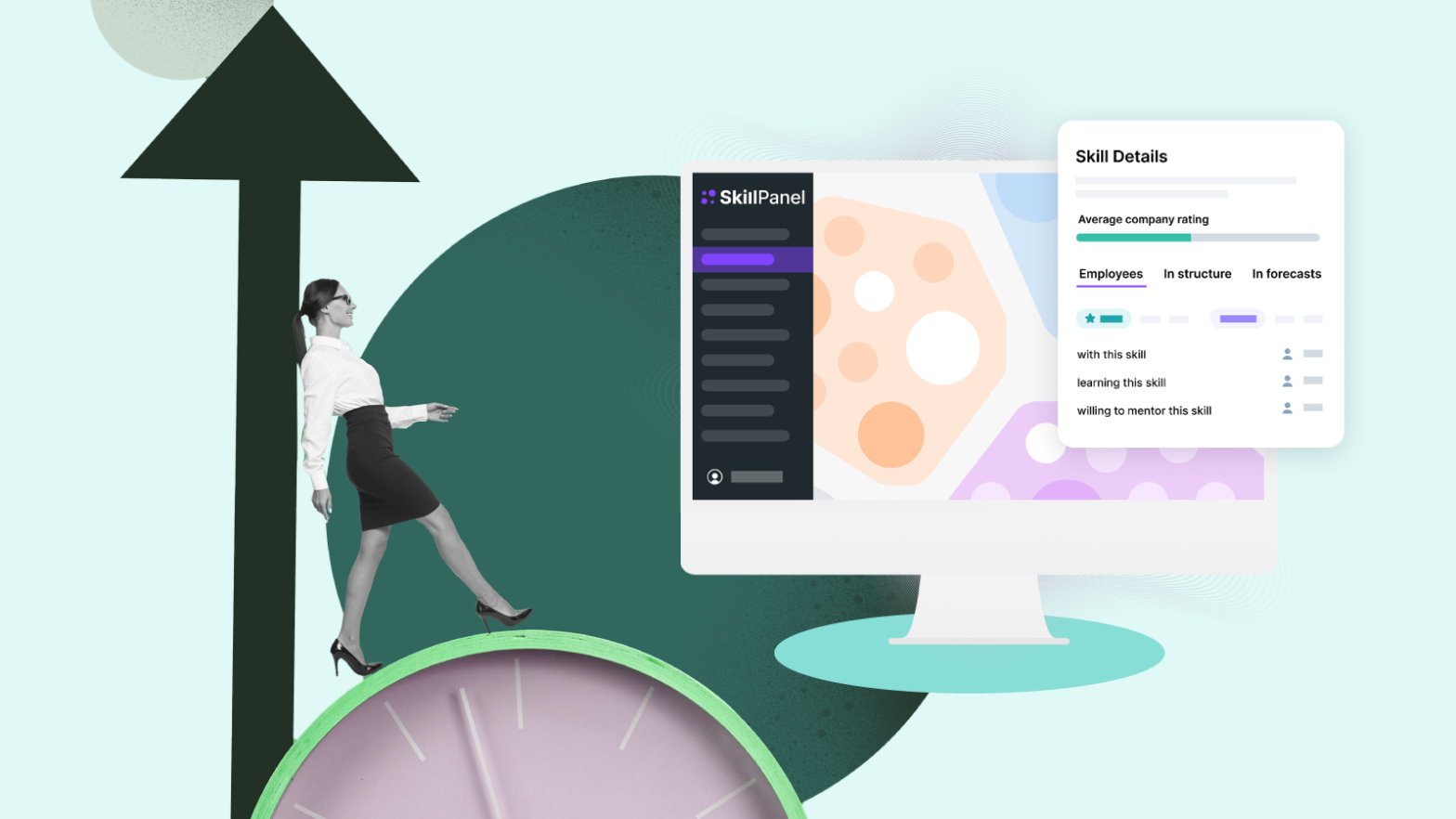
This is exactly the kind of work SkillPanel was built to support. Formerly known as DevSkiller, SkillPanel gives organizations clear visibility into their workforce’s skills through integrations with HRIS, payroll, and learning systems. In full transparency, this is our own platform, and we mention it here because it’s the type of tool consultants often reach for during technology-focused engagements. It uses a full skills library and multi-source assessments, combining self-assessments, peer reviews, manager input, and technical evaluations, to help HR teams and consultants make data-driven decisions about talent gaps, upskilling, and internal mobility. For an engagement ce ntered on HRIS sele ction or workforce planning, having real-time skills data without disrupting existing workflows is a practical asset rather than a nice-to-have.
Signs your business needs to hire an HR consultant
Certain warning signs tend to show up before a business realizes it needs outside help. High employee turnover is one of the clearest signals, along with compliance issues that keep resurfacing or a general absence of strategic HR direction. Trouble attracting talent, performance management systems that aren’t producing results, and organizational restructuring needs are other common triggers.
Picture a 60-person logistics company losing three or four employees a quarter, always citing “lack of growth opportunity” in exit interviews. There’s no HR strategy behind hiring or development, just reactive backfilling. That pattern, turnover paired with a hollow strategic layer, is one of the most reliable indicators that a business has outgrown its current HR approach and needs outside expertise to address it head-on rather than letting it compound.
Benefits of partnering with an HR advisory firm
Working with an HR advisory firm brings a handful of concrete advantages. Compliance risk drops, costs come in lower than building an internal team, businesses gain access to specialized expertise, and HR support can scale as the organization grows. Each of these benefits solves a different pain point, but together they add up to a stronger, more resilient HR function.
Reduced compliance risk and legal exposure
Labor laws and regulations are complicated, and they change often. HR consultants help organizations stay ahead of these shifts, offering guidance on compliance best practices that minimizes the risk of penalties or litigation down the line.
Cost savings compared to in-house HR teams
For small to mid-sized businesses especially, hiring HR consultants can be far more cost-effective than staffing a full HR department. Flexible engagement models let organizations tap into expertise exactly when they need it, without carrying the overhead of permanent hires, salary and benefits and training included.
Access to specialized expertise and best practices
HR consultants bring knowledge gathered across multiple industries and organizations, which means businesses benefit from proven strategies rather than reinventing the wheel. This kind of human resource advisory support often leads to meaningful improvements in both HR function and overall organizational performance.
Scalability as your workforce grows
HR needs shift as a company grows, and HR management consulting firms build solutions that scale alongside that growth. This ensures HR functions stay effective and aligned with business goals even as headcount and complexity increase.
Project-based vs. ongoing HR business consulting engagements
Businesses generally choose between two models when working with HR consulting partners. Project-based engagements zero in on a specific HR initiative, like rolling out a new compensation structure or fixing a compliance gap, and wrap up once that goal is met. Ongoing consulting relationships, on the other hand, provide continuous support and allow for long-term strategic planning that evolves as the business does.
Neither approach is inherently better. The right choice depends on whether your business is solving an immediate problem or building toward a longer-term HR strategy.
How to choose the right HR consulting company
Picking the best HR consulting firm for your organization means weighing several factors carefully, including industry experience, compliance approach, service scope, pricing structure, and client feedback. Firms with a strong track record and a genuine willingness to understand your unique situation tend to deliver the best outcomes.
Evaluate industry experience and track record
A consulting firm that understands your specific industry will spot challenges and opportunities that a generalist might miss. A history of successful engagements is a strong indicator that a firm can actually deliver on its promises.
Assess their approach to compliance and risk
Ask potential partners directly about how they handle compliance and risk. Firms that lead with education and prevention tend to help organizations avoid legal trouble while building a more accountable workplace culture over time.
Confirm scope of services and customization
Not every HR consulting company offers the same range of services, and not all of them customize their approach. Firms willing to tailor solutions to your organization’s specific needs are far more likely to produce results that actually stick.
Review pricing models and contract terms
Pricing models vary widely across human resource consulting company options, so it pays to review contract terms closely. Transparent pricing helps avoid surprise costs later and keeps the engagement running smoothly from day one.
Check client references and testimonials
References and testimonials from past clients offer a window into how a firm actually performs, not just how it markets itself. Consistent positive feedback is a good sign of both reputation and reliability.
What to expect when you hire an HR consultant
Engaging an HR consultant typically follows a structured path. It starts with an assessment of current HR practices , moves into strategy development, and continues with ongoing support to make sure the plan actually gets implemented and delivers results.
Initial HR assessment and audit
The process usually begins with a thorough review of existing HR practices, policies, and compliance status. This audit surfaces the areas most in need of improvement and shapes the tailored solutions that follow.
Strategy development and implementation timeline
Once the assessment is complete, the consultant works alongside your team to build a strategic HR plan with clear goals, specific initiatives, and a realistic timeline for getting everything in place.
Ongoing support and reporting
Good consultants stay involved through implementation, offering guidance and resources while providing regular reporting to track progress. This collaborative approach keeps everyone aligned with the original HR objectives, rather than letting the plan drift.
Frequently asked questions
How much does HR management consulting cost?
Costs vary depending on the scope of services needed, the complexity of the project, and the pricing model a given firm uses. It’s worth discussing budget and expectations upfront so there are no surprises later in the engagement.
Can small businesses benefit from HR consulting services?
Absolutely. Small businesses often see major gains from HR consulting services, particularly around compliance, talent acquisition, and employee engagement. Consultants can build solutions specifically scaled to a smaller organization’s needs and budget.
What qualifications should an HR consultant have?
Look for relevant certifications in human resources, hands-on field experience, and a solid grasp of labor laws and current best practices. Strong communication and problem-solving skills m atter just as much as technical HR knowledge.
Is HR consulting the same as HR outsourcing?
Both involve bringing in outside support, but the two aren’t identical. Consulting centers on strategic advice and solutions, while outsourcing typically means handing off specific HR tasks or functions entirely to an outside provider.
Get started with a human resource management consulting partner
Businesses aiming to strengthen their HR function and support long-term growth should look closely at partnering with a trusted human resource management consulting firm. The right partner brings expert guidance and solutions built around your organization’s actual needs, helping you work through complex HR challenges instead of around them.
Technology plays an increasingly central role in that process. SkillPanel, our own workforce intelligence platform, gives organizations and their HR consulting partners a clearer picture of workforce c apabilities through predictive gap analysis, personalized development plans, and integration with existing HR technology stacks. That kind of visibility supports smarter decisions around upskilling, internal mobility, and workforce planning , making it a natural complement to any HR consulting engagement focused on building a future-ready team.