The complete risk mitigation strategy guide: How to protect what you’ve built
| Reading time:


Business leaders face mounting pressure to protect their organizations from an expanding array of threats. Recent data reveals that only 35% of financial leaders have comprehensive enterprise risk management processes in place, leaving many organizations vulnerable to disruptions that could derail operations and erode stakeholder confidence. Understanding what risk mitigation means and how to implement effective strategies has become essential for organizational survival and growth.
Risk mitigation represents the systematic approach to identifying potential threats and implementing targeted actions to reduce their likelihood or impact. This proactive discipline extends beyond simple problem-solving—it creates organizational resilience that enables businesses to navigate uncertainty while pursuing strategic objectives. Companies that master these techniques don’t just avoid disasters; they position themselves to capitalize on opportunities that more risk-averse competitors miss.
What risk mitigation is and why it matters in 2026
The global business environment has evolved into a complex web of interconnected risks. Geopolitical tensions, regulatory shifts, cyber threats, and economic volatility create a landscape where traditional reactive approaches no longer suffice. Organizations need structured methods for anticipating threats and deploying resources strategically to protect critical assets and operations.
What is risk mitigation in practical terms? It’s the deliberate process of analyzing potential threats to your organization and implementing specific measures to minimize their probability or consequences. This involves systematic assessment of vulnerabilities, evaluation of potential impacts, and deployment of controls that reduce exposure to acceptable levels.
The business case for robust risk mitigation grows stronger each year. Research shows that 43% of executives selected cybersecurity as a top strategic investment priority in 2026, reflecting widespread recognition that unmanaged risks can devastate competitive positioning. Beyond avoiding losses, effective mitigation strategies create tangible value through improved operational efficiency, enhanced stakeholder confidence, and reduced insurance costs.
How risk mitigation differs from risk management
Many professionals use these terms interchangeably, but understanding their relationship enhances strategic clarity. Risk management encompasses the entire lifecycle of identifying, analyzing, responding to, and monitoring risks across an organization—the comprehensive framework that governs how companies approach uncertainty.
Risk mitigation in business functions as a specific subset within this broader framework. While risk management includes activities like risk identification, assessment, monitoring, and reporting, mitigation focuses specifically on the action-oriented strategies that reduce threat exposure. The most successful organizations bridge this gap by ensuring their risk management frameworks explicitly define clear pathways from risk assessment to concrete mitigation actions.
The business case for risk mitigation
Financial justification for risk mitigation investment has never been clearer. However, data reveals a troubling disconnect: only 11% of senior finance leaders view their organization’s risk management process as a strategic tool delivering competitive advantage, with 64% seeing no or minimal benefit.
This gap stems from treating risk mitigation as a compliance checkbox rather than a strategic enabler. Forward-thinking organizations recognize that well-designed mitigation strategies do more than prevent losses—they enable bolder innovation by creating safety nets that allow calculated risk-taking.
The financial impact of inadequate mitigation is substantial. Among small businesses experiencing cyberattacks, 33% faced regulatory fines, 30% experienced reduced business performance, and 29% reported higher customer notification costs. These consequences extend beyond immediate financial losses to include reputational damage, customer attrition, and operational disruptions that compound over time.
Organizations also face internal risks that threaten productivity and stability. Skill gaps create significant business risks by leading to project delays, team burnout from over-reliance on key individuals, higher attrition, and loss of institutional knowledge when skilled employees leave. Addressing these workforce vulnerabilities through data-driven visibility and proactive upskilling represents a critical component of comprehensive risk mitigation strategy.
Understanding your risk landscape
Effective mitigation begins with thorough understanding of the threats your organization faces. This requires moving beyond generic risk categories to develop nuanced awareness of specific vulnerabilities within your operational context. Modern risk environments exhibit unprecedented complexity—supply chains span multiple continents, regulatory requirements shift rapidly across jurisdictions, and technological dependencies create cascading failure points.
Common business risk categories
Risk taxonomies provide structured frameworks for identifying and organizing potential threats. The most prevalent business risk categories for 2024-2026 include third-party risk, regulatory changes, geopolitical risk, tariffs, and supply chain disruptions.
Third-party risk has intensified dramatically, with vendor breaches doubling from 15% to 30% in 2024. Interconnected ecosystems outpace traditional assessment methods, leaving organizations vulnerable to threats originating beyond their direct control.
Regulatory changes dominate leadership concerns, with 65% of general counsel ranking this as their top risk. New requirements like SEC cybersecurity disclosures and EU DORA implementation create compliance burdens while imposing penalties for inadequate controls.
Geopolitical risk earned the #1 immediate risk ranking in recent assessments, encompassing armed conflict and geoeconomic confrontation that contribute to what experts call a “geopolitical recession” for 2025-2026.
Workforce capability risks deserve particular attention given their direct impact on operational performance. Poor skill mastery increases normal turnover into critical risks, while unaddressed gaps lead to project delays and team burnout. Organizations need visibility into skill composition, gaps, and mismatches to predict issues, close gaps internally, and avoid risks associated with emergency external hiring.
How to identify risks in your organization
Comprehensive risk identification requires engaging diverse perspectives across organizational levels and functional areas. Structured brainstorming sessions bring cross-functional teams together to surface risks that might escape siloed departmental reviews. These workshops work best when facilitated by neutral parties who can encourage candid discussion without fear of blame.
Historical data analysis reveals patterns in past incidents, near-misses, and losses that point toward recurring exposures. Organizations should systematically review audit findings, incident reports, customer complaints, and operational metrics to identify trends suggesting systemic vulnerabilities.
Technology-enabled approaches leverage data analytics, artificial intelligence, and automated monitoring to detect emerging risks in real time. These tools process vast datasets to identify anomalies, predict potential disruptions, and flag deviations from expected patterns. Skills intelligence platforms, for example, provide visibility into workforce capability gaps that create project completion risks and succession planning vulnerabilities.
Regular skills assessments during onboarding and throughout employment help identify training gaps before they escalate into performance issues. By evaluating new hires’ capabilities against role requirements and tailoring development programs accordingly, organizations reduce the time to proficiency while mitigating risks associated with skill deficiencies.
Risk assessment and prioritization methods
Once identified, risks require systematic evaluation to determine which threats warrant immediate attention and resource investment. Assessment methodologies range from qualitative judgment-based approaches to sophisticated quantitative models. Most organizations benefit from hybrid approaches combining both perspectives.
Modern multi-dimensional frameworks emphasize continuous real-time monitoring, multi-dimensional scoring, AI-augmented analysis, and comprehensive processes that replace traditional annual reviews. These frameworks assess likelihood, impact, velocity, and interdependencies rather than relying solely on probability and severity calculations.
Risk matrices plot threats on visual grids using likelihood and impact axes to categorize them into priority zones. High-likelihood, high-impact risks demand immediate action, while low-likelihood, low-impact threats may warrant simple monitoring. This straightforward visualization helps leadership teams quickly grasp their risk profile and allocate mitigation resources strategically.
Skills gap prioritization frameworks assess gaps by business impact (High/Medium/Low), timeline urgency (less than six months, 6-18 months, or greater than 18 months), and solution feasibility (Easy/Moderate/Difficult). Priority 1 gaps exhibit high impact and urgent timelines, Priority 2 gaps show high impact with moderate timelines but difficult solutions, and Priority 3 gaps present medium impact with flexible response windows.
Identifying skill concentrations held by few employees enables targeted cross-training and diversification that mitigates single points of failure. Analyzing data to pinpoint skills with inadequate coverage allows organizations to address vulnerabilities before key personnel departures create crises.
The four core risk mitigation strategies
Organizations deploy four fundamental strategies when responding to identified risks. Understanding what the four types of risk mitigation are and when each applies creates the foundation for effective risk response planning. These strategies—avoidance, reduction, transfer, and acceptance—represent distinct approaches with different resource requirements and outcomes.
The four common risk mitigation strategies are not mutually exclusive. Sophisticated risk responses often combine multiple strategies to address different dimensions of complex threats. Selecting appropriate strategies requires careful evaluation of each risk’s characteristics, potential mitigation costs, and alignment with organizational risk appetite.
Risk avoidance: When to walk away
Risk avoidance eliminates exposure by discontinuing activities or declining opportunities that generate unacceptable threats. This strategy acknowledges that some risks simply cannot be managed to acceptable levels given available resources, capabilities, or risk tolerance.
What risk avoidance means
Avoidance differs fundamentally from other mitigation approaches by seeking to eliminate risk entirely rather than reducing it to manageable levels. Organizations implement avoidance by choosing not to engage in certain activities, exiting markets that present disproportionate threats, or declining business relationships that carry unacceptable exposures.
The decision to avoid risks requires disciplined evaluation of potential rewards against realistic assessment of threats. Effective avoidance strategies consider both immediate threats and long-term strategic implications. A market that appears attractive today might carry reputational or regulatory risks that compound over time.
When avoidance is the right choice
Avoidance becomes the preferred strategy when risk likelihood and potential impact both rate high and alternative mitigation approaches cannot reduce exposure to acceptable levels. Situations involving legal or regulatory violations warrant automatic avoidance regardless of potential benefits.
New ventures into unfamiliar territories sometimes present risks that exceed organizational capacity to manage effectively. When management lacks expertise to evaluate threats accurately or implement appropriate controls, avoidance prevents potentially catastrophic mistakes. Resource constraints sometimes necessitate avoidance even for manageable risks—organizations with limited capital, personnel, or attention bandwidth must focus on core competencies and strategic priorities.
Real-world avoidance examples
A manufacturing company might avoid suppliers with poor safety records despite lower costs, recognizing that supply chain disruptions or reputational damage from association with unsafe practices outweigh procurement savings.
Financial services firms routinely avoid business relationships with entities in high-risk jurisdictions where money laundering or sanctions violations present unacceptable compliance exposure. TD Bank’s 2024 case, which resulted in a $3.1 billion fine after an underfunded anti-money laundering program allowed over $670 million in dirty money to flow through its network, illustrates the catastrophic consequences of inadequate controls. The bank’s massive backlogs in transaction monitoring and chronically under-resourced compliance function demonstrate how attempting to manage unmanageable regulatory risks rather than properly avoiding high-risk relationships led to one of the largest banking penalties in history.
Technology companies may avoid entering markets where regulatory uncertainty creates unpredictable compliance burdens. Data privacy regulations vary dramatically across jurisdictions, and organizations lacking expertise to navigate complex requirements might choose to limit geographic scope rather than risk violations.
Risk reduction: Minimizing impact and likelihood
Risk reduction implements controls and safeguards that decrease either the probability of risk events occurring or the severity of their consequences should they materialize. This strategy represents the most common approach to mitigating challenges because it allows organizations to continue beneficial activities while actively managing associated threats.
How risk reduction works
Reduction strategies address root causes that create vulnerabilities or amplify potential impacts. Preventive controls reduce likelihood by stopping risk events before they occur, including access restrictions, approval workflows, automated validation checks, and physical security measures. Detective controls identify issues quickly to minimize damage through monitoring systems, audit procedures, anomaly detection algorithms, and incident reporting mechanisms.
Corrective controls limit impact once risk events occur by enabling rapid response and recovery. Business continuity plans, backup systems, emergency response procedures, and crisis communication protocols all serve corrective functions. Organizations layer these control types to create defense in depth that addresses multiple failure points.
Skills-based risk reduction proves particularly effective for workforce-related vulnerabilities. Data-driven insights into skill composition enable organizations to predict issues, close gaps internally, and avoid risks from hasty external hiring. Internal mobility and reskilling mitigate talent shortages, support succession planning, and lower turnover risks from poor skill-role alignment.
Practical risk reduction techniques
Cybersecurity controls represent critical reduction measures given that 43% of executives prioritized cyber risk mitigation for 2026. Multi-factor authentication, encryption, network segmentation, and security awareness training all reduce vulnerability to attacks.
Real-world implementation: United Natural Foods ransomware attack
The June 2025 UNFI ransomware attack demonstrates the cascading operational impact of inadequate cyber controls. United Natural Foods, Inc., a major U.S. food distributor supplying retailers like Whole Foods, suffered a breach that forced systems offline for containment. Attackers gained unauthorized access likely through unpatched vulnerabilities or weak access controls in the critical supply chain environment.
The incident caused operational delays lasting several days, extra recovery costs, product shortages, and delivery delays for grocery retailers, highlighting how brief IT outages cascade through supply chains to consumers. Beyond immediate response costs, UNFI faced prolonged recovery efforts extending well past the initial June 5, 2025 detection date.
The case underscores essential preventive measures: regular vulnerability assessments to identify and patch exposures before exploitation, network segmentation to limit ransomware spread if initial defenses fail, and robust incident response plans that minimize downtime. Organizations in distribution sectors must recognize that their operational continuity directly affects downstream customers, amplifying the business impact of security failures.
Real-world implementation: Ingram Micro supply chain disruption
The July 2025 Ingram Micro ransomware incident illustrates how enterprise-scale attacks create global ripple effects. The SafePay ransomware group exploited vulnerabilities to encrypt systems at the global IT distributor, forcing Ingram to proactively shut down online ordering and logistics platforms worldwide. The attack likely entered via unpatched remote access points or phishing in a high-dependency supply chain environment.
Global operations remained disrupted for nearly a week (July 4-10), shuttering ordering and logistics systems and severely impacting partners’ supply chains. The prolonged outage created pressure for ransom payments while partners scrambled to source products through alternative channels. Full business operations weren’t restored until July 10, 2025, representing significant revenue loss and customer frustration.
Key lessons include integrating supply chain dependency into threat assessments—recognizing that attacks on your systems affect dozens or hundreds of downstream businesses amplifies impact severity. Organizations should implement air-gapped backups that ransomware cannot reach, multi-factor authentication on all remote access points, and rapid isolation protocols to minimize outage duration. The week-long disruption demonstrates that recovery speed directly correlates with business impact, making rapid containment capabilities essential.
Third-party risk management programs reduce exposure from vendor and partner vulnerabilities. Standardized due diligence processes, ongoing performance monitoring, contractual security requirements, and regular reassessments ensure external relationships don’t introduce uncontrolled threats. Given that vendor breaches doubled to 30% in 2024, comprehensive third-party oversight has become essential rather than optional.
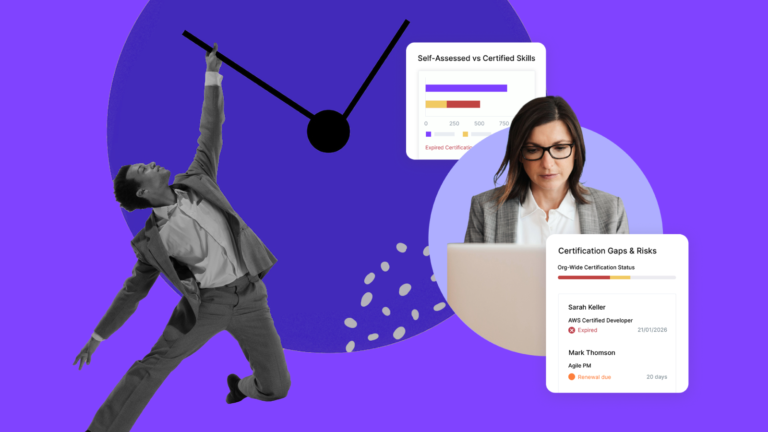
Compliance monitoring systems track regulatory adherence and flag deviations before they escalate into violations. Centralized tracking of certifications, training completion, and policy acknowledgments ensures nothing falls through gaps. Automated alerts for approaching expiration dates or new regulatory requirements enable proactive responses that prevent penalties and operational disruptions.
Workforce development initiatives reduce capability risks that threaten operational performance. Skills assessments identify gaps requiring training interventions, while personalized development plans align employee growth with organizational needs. Organizations using skills intelligence platforms like SkillPanel avoid productivity drops of $200 per hour from skill deficits while improving billable utilization through better talent allocation.
Measuring reduction effectiveness
Reduction strategies require ongoing evaluation to ensure controls perform as intended. Key risk indicators provide quantitative metrics that track exposure trends over time. Organizations should establish baseline measurements before implementing controls, then monitor changes to validate effectiveness.
Metrics might include incident frequency rates, time to detect threats, containment success rates, or compliance violation counts. Cybersecurity programs often track metrics like failed login attempts, malware detection rates, and mean time to respond to incidents.
Workforce capability metrics assess skill gaps, time to proficiency, internal mobility success rates, and turnover among high-risk roles. Skills intelligence platforms provide real-time visibility into skill composition changes, development progress, and readiness to fill critical positions internally. This data-driven approach enables proactive adjustments before capability gaps threaten business outcomes.
Risk transfer: Sharing the burden
Risk transfer shifts financial consequences of risk events to external parties through insurance, contracts, or outsourcing arrangements. This strategy proves valuable when organizations lack internal capacity to absorb potential losses or when external parties possess specialized expertise to manage specific threats more effectively.
Transfer mechanisms (insurance, contracts, outsourcing)
Insurance represents the most familiar transfer mechanism, providing financial protection against specified losses in exchange for premium payments. Property and casualty policies cover physical asset damage, cyber insurance addresses data breach costs and business interruption from attacks, and professional liability coverage protects against claims arising from service delivery errors.
Contractual indemnification clauses transfer liability from one party to another within business relationships. Service agreements might require vendors to indemnify clients for losses resulting from the vendor’s negligence or breach. Outsourcing transfers operational responsibilities along with associated risks to specialized service providers.
When transfer makes financial sense
Transfer becomes economically rational when potential loss severity exceeds organizational capacity to absorb impacts financially. Low-frequency, high-severity risks often warrant transfer because organizations cannot afford to self-insure against catastrophic but unlikely events. Insurance premiums represent predictable costs that eliminate exposure to devastating losses.
Specialized risks that fall outside organizational core competencies benefit from transfer to parties with greater expertise. Cost-benefit analysis should compare total transfer costs including premiums, deductibles, and retained risks against expected losses from self-insurance.
Common transfer pitfalls to avoid
Inadequate coverage represents a frequent transfer failure when organizations underestimate potential loss magnitudes or select policies with insufficient limits. Policy exclusions and conditions might also leave unexpected gaps that leave critical exposures uninsured.
Over-reliance on transfer creates false security if organizations neglect basic risk reduction measures. Insurance doesn’t prevent losses—it only provides financial compensation afterward. Organizations still bear reputational damage, operational disruptions, and customer impacts even when financially protected.
Vendor selection requires thorough due diligence beyond cost considerations when transferring risks through outsourcing. Providers must demonstrate financial stability to honor indemnification obligations, adequate insurance coverage for potential liabilities, and operational capabilities to manage responsibilities competently.
Risk acceptance: Strategic tolerance
Risk acceptance involves acknowledging exposure to potential losses and consciously deciding to proceed without additional mitigation measures. This strategy applies when risk levels fall within organizational tolerance thresholds, when mitigation costs exceed potential benefits, or when no practical mitigation options exist for residual exposures.
When to accept risk
Low-probability, low-impact risks typically warrant acceptance rather than expensive mitigation efforts. Organizations possess finite resources and must concentrate them on threats that meaningfully threaten objectives.
Residual risks remaining after implementing reduction or transfer strategies often require acceptance. No risk response eliminates exposure entirely, and organizations must recognize practical limits to mitigation. Strategic opportunities sometimes carry inherent risks that cannot be mitigated without sacrificing potential rewards.
Setting acceptable risk thresholds
Risk appetite defines the aggregate level and types of risk organizations willingly assume in pursuit of strategic objectives. Board-level governance should establish clear appetite statements that guide decision-making throughout the organization.
Risk tolerance translates high-level appetite into specific limits for individual risk categories or business units. Thresholds should reflect organizational capacity to absorb losses without jeopardizing financial stability or strategic momentum.
Documenting acceptance decisions
Formal documentation of acceptance decisions creates accountability and ensures conscious consideration rather than passive neglect. Risk registers should clearly identify accepted risks, specify the rationale for acceptance, and assign ownership for monitoring and reassessment.
Regular reassessment ensures accepted risks remain within tolerance as conditions evolve. Triggers for mandatory review might include changes in risk likelihood or impact, shifts in organizational risk appetite, or emergence of new mitigation options that alter cost-benefit calculations.
Building your risk mitigation plan
Effective risk mitigation solution development transforms scattered risk management activities into coherent, actionable strategies aligned with organizational objectives. A structured approach ensures nothing falls through gaps while enabling efficient resource allocation. Organizations should resist the temptation to create elaborate plans that prove too complex for practical implementation.
Essential components of an effective plan
Successful risk mitigation plans begin with comprehensive risk identification and assessment that documents all material threats facing the organization. This foundation should draw from multiple sources including stakeholder interviews, historical data analysis, industry benchmarks, and forward-looking scenario planning.
Clear strategy selection for each prioritized risk defines how the organization will address identified threats. Plans should specify whether each risk will be avoided, reduced, transferred, or accepted, along with detailed rationale supporting these choices.
Specific mitigation actions translate high-level strategies into concrete implementation steps. Resource requirements specify the budget, personnel, technology, and external support needed to execute planned mitigation actions. Roles and responsibilities define who owns implementation of each mitigation action, who provides supporting resources, and who approves key decisions.
Timelines and milestones create urgency and enable progress tracking. Plans should establish target completion dates for each mitigation action while identifying critical dependencies that could delay implementation.
Monitoring and review mechanisms ensure plans remain effective as circumstances change. Plans should specify key risk indicators to track, reporting frequencies and formats, and triggers that prompt strategy reassessment.
Step-by-step plan development process
Practical implementation walkthrough: Mid-sized professional services firm
Consider a 300-employee management consulting firm identifying cybersecurity and skills gap risks as critical exposures. The firm generates $75 million in annual revenue primarily through client-facing project delivery, making both data security and workforce capabilities essential to business continuity.
Step 1: Risk identification and assessment
The firm conducted cross-functional workshops with IT, HR, and business leaders, surfacing 12 priority risks. Two dominated the assessment:
Cybersecurity Risk: Likelihood: High (monthly phishing attempts, remote workforce), Impact: Critical ($5M+ breach costs, client trust loss), Velocity: Fast (hours to exploit). Risk Score: 9.2/10.
Skills Gap Risk: Three critical technical skills (advanced data analytics, AI implementation, change management) held by only 2-3 employees each. Likelihood: Medium (15% annual turnover), Impact: High (project delays, client dissatisfaction), Velocity: Medium (weeks to impact projects). Risk Score: 7.8/10.
The team created a risk matrix plotting these alongside supply chain, regulatory, and financial risks. The two priority risks landed in the “immediate action” quadrant.
Step 2: Strategy selection and rationale
For cybersecurity risk, the team selected a combination approach: Reduction through enhanced controls (MFA, security training, endpoint protection), Transfer via cyber insurance ($5M coverage), and Acceptance of residual risk below $500K impact. Pure avoidance was rejected as incompatible with client service delivery requiring data access.
For skills gap risk, the team chose Reduction through skills intelligence implementation and cross-training programs. Transfer via contractors was rejected due to client preference for continuity and knowledge retention concerns. Avoidance (declining complex projects) would sacrifice strategic growth.
Step 3: Detailed action planning with real obstacles
Cybersecurity Actions (Timeline: 6 months):
● Implement MFA across all systems (Month 1-2, IT lead, $25K)
● Deploy endpoint detection & response (Month 2-3, IT lead, $60K annually)
● Quarterly security training (Month 3 ongoing, HR support, $15K annually)
● Cyber insurance procurement (Month 4, CFO lead, $85K annually)
Challenge Encountered: Partners initially resisted MFA due to perceived productivity friction. IT addressed this by demonstrating mobile app authentication taking under 10 seconds and sharing breach case studies where MFA absence proved critical, securing buy-in.
Skills Gap Actions (Timeline: 12 months):
● Implement skills intelligence platform (Month 1-2, HR lead, $40K setup + $30K annual)
● Cross-training program for critical skills (Month 3 ongoing, delivery leads, $50K annually)
● Succession planning for single-skill dependencies (Month 6, HR lead, internal resources)
Challenge Encountered: Billing pressure made partners reluctant to allocate senior consultant time to training junior staff. HR quantified the risk: losing one senior data analyst would delay three active projects worth $800K, costing $240K in margin plus reputation damage. This business case secured training time allocation of 5% for critical skill holders.
Step 4: Resource allocation details
Total Year 1 Investment: $265K ($195K cybersecurity, $70K skills development) Ongoing Annual: $180K
The CFO initially budgeted only $150K based on prior years. The risk committee presented expected loss calculations: 30% probability of material breach ($5M × 30% = $1.5M expected loss) and 15% probability of critical skills loss ($800K × 15% = $120K expected loss). The $265K investment reducing these exposures by 70-80% justified budget approval.
Step 5: Implementation and early results
MFA implementation completed on schedule despite initial resistance. Within three months, the system blocked 47 unauthorized access attempts that would have succeeded under the old authentication model.
Skills intelligence revealed an unexpected concentration risk: 60% of machine learning expertise resided in one senior consultant planning to relocate in 18 months. The firm launched an aggressive cross-training initiative and targeted external hiring, avoiding a capability crisis that would have been discovered too late through traditional annual reviews.
This scenario demonstrates how detailed planning with specific metrics, anticipated obstacles, and real-world constraints transforms theoretical risk management into practical business protection.
Assigning roles and responsibilities
Clear ownership prevents critical tasks from falling into accountability gaps where everyone assumes someone else is handling them. Each mitigation action requires a designated owner responsible for driving implementation, coordinating required resources, and reporting progress.
Supporting roles define who provides necessary resources, expertise, or approvals to enable owners to execute their responsibilities. Governance oversight roles establish who reviews progress, approves significant decisions, and intervenes when issues arise.
Organizations using skills intelligence platforms gain visibility into workforce capabilities that inform role assignments. Matching mitigation responsibilities to employees with relevant skills improves execution quality while providing development opportunities that strengthen organizational bench strength.
Setting timelines and milestones
Realistic timeline development balances urgency against practical constraints including resource availability, technical complexity, and organizational change capacity. Phased approaches often work well, implementing quick wins rapidly while pursuing longer-term solutions systematically.
Critical milestones mark significant progress points warranting formal review and approval before proceeding. Milestone reviews provide natural checkpoints to assess whether plans remain valid or require adjustment based on early implementation experience.
Dependency mapping identifies relationships between different mitigation actions or between risk mitigation and other organizational initiatives. Understanding dependencies prevents wasted effort from beginning actions prematurely and enables proactive management of scheduling constraints.
Implementing risk mitigation strategies
Even the most thoughtfully designed plans fail without effective implementation that translates documented intentions into operational reality. Successful execution requires sustained leadership commitment, adequate resource provisioning, and integration with existing business processes.
Addressing common implementation challenges
Challenge 1: Siloed risk management (affects 45-55% of organizations)
Fragmented approaches where risk, compliance, and operations teams operate independently hinder holistic ERM integration. 45% of GRC professionals identify strengthening ERM as a top 2025 priority, while 55% cite resource constraints as barriers—often stemming from teams duplicating efforts rather than collaborating.
One frequently overlooked dimension of this fragmentation involves authorization logic buried across applications. According to risk management experts, when authorization rules are scattered in application code and differ by team, it creates “security blind spots and inconsistent enforcement.” A fintech company discovered this firsthand when a privacy regulation requiring restricted access to personal data “turned into a month-long engineering fire drill across ten teams” because authorization policies were siloed in each microservice rather than centrally managed.
Solution: Establish cross-functional ERM teams with representatives from security, business operations, finance, and legal meeting monthly. Implement integrated frameworks like COSO or ISO 31000 that provide common language and processes. One practical step: map authorization policies across applications to identify fragmentation, then centralize policy visibility to eliminate blind spots.
Challenge 2: Skills and knowledge gaps (affects 33% of organizations)
Lack of expertise in emerging risks like AI, cybersecurity, and technical risk management creates implementation gaps. One-third of directors rank leadership skills gap as the biggest AI challenge, while only 18% of ERM leaders have high confidence in identifying emerging risks.
Solution: Invest in targeted training for cybersecurity and sustainability risks. Build human-AI collaboration protocols rather than expecting instant expertise. Develop risk-aware cultures through maturity models that define progression from ad-hoc to optimized risk management.
Challenge 3: Alert fatigue from tool proliferation
Enterprises typically use 76 different security tools, yet “in practice, each generates its own alerts and reports, and they rarely talk to each other out of the box.” This creates overwhelming alert volumes where critical threats get buried. One Fortune 500 security team admitted that “an alert did go off but was ignored, ‘buried beneath 5,000 daily false positives,’ which allowed an intrusion to slip through unnoticed.”
Solution: Consolidate security tools through integrated platforms that correlate alerts intelligently. Implement AI-powered alert filtering that learns to distinguish true threats from noise. Establish tiered alert systems where only high-confidence threats generate immediate notifications, while lower-priority items queue for batch review.
Challenge 4: Regulatory complexity (affects 65% of organizations)
Rapidly evolving, fragmented regulations overwhelm manual processes. 65% of general counsel and compliance officers select regulatory changes as a top risk, yet only 13% have optimized AI/automation for third-party risk management.
Solution: Deploy centralized compliance systems that automatically track changing requirements across jurisdictions. Automate monitoring and integrate regulatory intelligence into GRC platforms. Rather than reacting to each new regulation, build flexible compliance frameworks that adapt quickly to changing requirements.
Challenge 5: Low confidence in emerging risk detection
Organizations struggle to detect fast-evolving threats like cyber risks and climate impacts. 90% of executives believe climate risk impacts business soon, yet many lack tools to quantify these exposures. Third-party breaches doubled to 30%, catching organizations without adequate vendor monitoring off-guard.
Solution: Deploy AI for predictive analysis and continuous monitoring. Implement zero-trust architectures that assume breach and limitlateral movement. Use scenario planning to stress-test responses to emerging threats before they materialize.
Getting stakeholder buy-in
Early involvement in decision-making processes cultivates ownership and commitment among stakeholders who must support implementation. Engaging stakeholders during risk assessment and strategy development ensures their concerns receive consideration while leveraging their expertise to improve plan quality.
Two-way communication with continuous feedback mechanisms moves beyond one-directional information dissemination to actively listen to stakeholder concerns. Regular forums for questions, suggestions, and concerns demonstrate genuine interest in stakeholder perspectives while surfacing potential implementation obstacles early.
Research shows that only 26% of organizations have strong cross-functional collaboration despite 48% having centralized structures. Siloed approaches undermine risk-aware cultures and lead to poor resilience outcomes. Deliberate relationship building across functional boundaries strengthens the collaborative foundation necessary for complex risk mitigation initiatives.
Allocating resources and budget
Typical budget allocations for risk mitigation in medium to large enterprises dedicate 8-12% of total IT budgets to cybersecurity, rising to 10-15% in high-threat industries. These benchmarks reflect steady growth of 8-12% year-over-year, with breakdowns including approximately 40% on software and tools, 30% on personnel, and 15% each on hardware and outsourced services.
Enterprise risk management budgets grow more modestly at 1-4% annually, often insufficient to match rising risk complexity. This resource scarcity demands prioritization focused on highest-impact initiatives and efficient deployment of available capital.
Technology investments enable automation that scales mitigation capabilities beyond what manual processes could achieve. Integrated GRC platforms achieve 25-50% reduction in implementation time and up to 70% reduction in maintenance overhead by eliminating custom integration development.
Insider risk mitigation receives 16.5% of security budgets on average, doubled from prior years as organizations recognize workforce-related threats. Skills intelligence investments address this priority by providing visibility into capability gaps that create security vulnerabilities, succession risks, and operational disruptions.
Integration with existing business processes
Standalone risk mitigation programs that operate separately from core operations struggle to gain traction and sustain attention over time. Successful integration embeds risk considerations into routine workflows, decision processes, and performance management systems.
Strategic planning processes should explicitly incorporate risk assessment that informs goal setting and resource allocation. Project management methodologies should mandate risk identification, assessment, and mitigation planning as standard deliverables. Operational processes benefit from embedded controls that prevent or detect risk events without requiring separate monitoring systems.
Performance management systems should incentivize risk-aware behaviors by incorporating risk management objectives into individual goals and evaluations. Recognizing employees who identify and escalate concerns encourages the proactive risk awareness necessary for effective mitigation.
Monitoring and adjusting your approach
Static risk mitigation plans quickly become obsolete as threats evolve, business conditions change, and mitigation measures prove more or less effective than anticipated. Continuous monitoring provides the real-time intelligence necessary to adapt strategies proactively rather than discovering failures after losses occur.
Key risk indicators to track
Cyber risk indicators monitor failed login attempts, malware detection rates, vulnerability scan findings, and patch compliance metrics. A spike of 30% in failed logins per hour provides early warning of potential brute-force attacks. Mean time to detect and respond to incidents reveals whether security operations maintain adequate vigilance.
Third-party risk indicators track vendor SLA breach frequency, percentage of critical vendors without current risk assessments, and security incident rates among suppliers. More than three vendor SLA breaches per month signals supply chain disruptions requiring investigation.
Compliance risk indicators measure unresolved regulatory findings, percentage of controls lacking evidence or assigned owners, and time elapsed since last control testing. Regulatory findings open beyond 60 days signal drift toward penalties and audit failures.
Operational risk indicators count critical system outages, unplanned downtime duration, and process error rates. More than two critical outages per quarter indicates insufficient resilience.
Financial risk indicators track sudden deposit balance drops, loan delinquency rates, and liquidity ratio changes. A 10% drop in deposits within five days or loan delinquency exceeding 5% month-on-month flags funding stress requiring immediate attention.
Workforce capability indicators measure skill gap counts, time to fill critical roles, internal mobility success rates, and training completion rates. Skills intelligence platforms enable continuous tracking of these metrics to identify emerging capability risks before they threaten project delivery.
Regular review schedules and triggers
The shift to continuous, real-time monitoring over periodic reviews represents a fundamental evolution in risk management practice. Traditional annual or quarterly reviews fail to match modern risk velocity where threats emerge and evolve rapidly. Automated data integration from security tools, threat feeds, and business systems enables instant detection of changes requiring proactive reprioritization.
Quarterly formal reviews remain valuable for structured reassessment even with continuous monitoring. These sessions bring stakeholders together for comprehensive evaluation of overall risk profiles, mitigation strategy effectiveness, and emerging threats.
Ad-hoc triggers mandate immediate reviews when significant events occur regardless of scheduled timing. New threat intelligence revealing exploits targeting organizational systems demands urgent assessment. Major business changes like acquisitions, new product launches, or market expansions introduce risks requiring fresh evaluation.
When to revise your mitigation strategy
Strategy revision becomes necessary when risk assessments change significantly due to new information or evolving circumstances. Threat intelligence might reveal attack techniques that current controls cannot defeat, requiring enhanced security measures.
Mitigation effectiveness analysis sometimes reveals that implemented controls underperform expectations or create unintended consequences. Security measures that block legitimate business activities generate workarounds that bypass protections entirely.
Cost-benefit recalculations might justify strategy changes when circumstances alter economic tradeoffs. New technologies might enable more effective risk reduction at lower cost than existing approaches. Organizations should periodically revisit strategy economics rather than assuming initial decisions remain optimal indefinitely.
Risk mitigation best practices
Organizations pursuing excellence in risk mitigation can learn from emerging practices that reflect evolving threat landscapes and advancing capabilities. The most effective approaches combine cultural foundations with technological enablers and disciplined processes.
Building a risk-aware organizational culture
Leadership demonstration of risk-aware decision-making sets the tone that cascades throughout organizations. When executives openly discuss risks in strategic discussions, acknowledge uncertainties in forecasts, and reward employees who surface concerns, they signal that risk management matters.
Research reveals that firms lacking board-level ERM visibility were 20% more likely to suffer six or more critical risk events. This finding highlights how insufficient high-level oversight correlates with higher vulnerability to disruptions.
Training and awareness programs educate employees about relevant risks, their responsibilities for mitigation, and procedures for reporting concerns. Open reporting channels with psychological safety enable early detection of developing problems before they escalate. Recognition programs celebrate risk management contributions while accountability for failures ensures consequences for negligence.
Leveraging technology and automation
AI-powered predictive analytics move risk management from reactive to proactive by forecasting potential threats before they materialize. Machine learning models trained on historical incident data can identify patterns indicating elevated risk.
Integrated GRC platforms consolidate fragmented risk data into unified views that reveal correlations and dependencies missed by siloed systems. Centralized dashboards provide executives real-time visibility into risk exposure across the enterprise.
Continuous monitoring systems replace periodic assessments with real-time intelligence gathering that detects changes as they occur. Security information and event management (SIEM) platforms aggregate logs from across IT infrastructure to identify threats immediately.
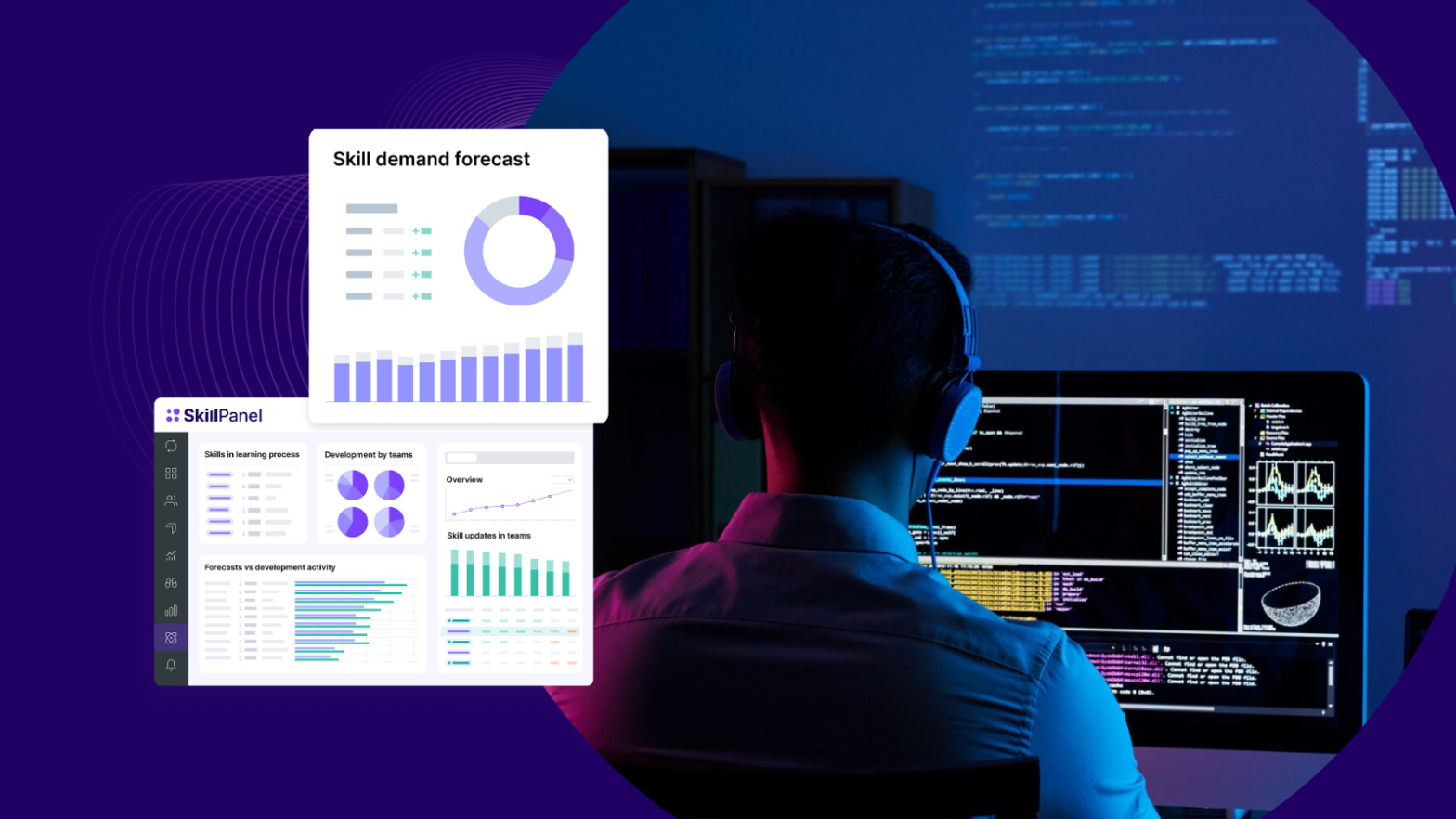
Skills intelligence platforms like SkillPanel and similar workforce analytics tools provide real-time insights into skill composition, gaps, and development progress. Predictive gap analysis forecasts future capability shortages based on business strategy and employee development trajectories, enabling proactive interventions that prevent talent crises.
Documentation and reporting standards
Comprehensive documentation creates institutional memory that survives personnel turnover and supports consistent decision-making. Risk registers should capture all identified risks, assessment results, selected strategies, implementation status, and reassessment dates.
Audit trails document who made decisions, when they occurred, and what information informed them. These records provide accountability while supporting regulatory compliance requirements.
Reporting frameworks should tailor content and format to audience needs. Board reports emphasize strategic implications and decisions requiring governance approval. Executive dashboards highlight key risk indicators and critical issues. Operational reports provide detailed status updates for hands-on risk managers.
Learning from near-misses and failures
Real-world implementation: Jaguar Land Rover manufacturing disruption
The 2025 Jaguar Land Rover ransomware attack stands as one of the costliest in UK history, with estimated losses of $2.5 billion (£1.9 billion). The attack encrypted key systems likely via unpatched VPN or RDP vulnerabilities, halting physical production in JLR’s digitally transformed manufacturing environment.
The five-week shutdown disrupted over 5,000 supply chain businesses, creating national economic ripples beyond JLR itself. Full recovery wasn’t achieved until January 2026, extending the operational and financial impact for months. This timeline demonstrates how ransomware doesn’t just affect data—it can completely halt physical manufacturing with cascading effects throughout industrial ecosystems.
Critical lessons include prioritizing secure remote access with no default credentials, implementing OT/IT network segmentation to prevent ransomware from jumping from business systems to production equipment, and conducting resilience testing specifically for manufacturing environments. The case proves that digital transformation amplifies cyber risk in manufacturing—the more interconnected and automated production becomes, the more vulnerable to ransomware-induced shutdowns.
Real-world implementation: Marks & Spencer retail operations attack
The April 2025 M&S ransomware attack following social engineering demonstrates supply chain vulnerability in retail operations. Attackers tricked staff into granting access, then deployed ransomware via a supply chain link to Tata Consultancy Services, encrypting systems and stealing customer data (names, emails, order histories).
Projected losses exceeded $400 million (£300 million) in lost profit, with weeks-long suspension of online orders, click-and-collect, and contactless payments. Beyond immediate revenue loss, the stolen data enabled subsequent phishing campaigns against M&S customers, compounding reputational damage. The financial impact wasn’t fully quantified until September 2025, months after the initial incident.
Key preventive measures include bolstering social engineering training that goes beyond generic awareness to simulate realistic attack scenarios, strengthening vendor risk management with continuous monitoring of third-party integrations, encrypting data at rest so theft doesn’t automatically equal exposure, and maintaining offline backups that enable recovery without ransom payment. The M&S case particularly highlights how supply chain attack vectors bypass perimeter defenses—organizations must assess security across their entire vendor ecosystem, not just their own systems.
Incident post-mortems following risk events extract maximum learning value from adverse experiences. Structured analysis should identify root causes, contributing factors, and missed warning signs. External case studies provide vicarious learning from other organizations’ experiences without requiring direct suffering.
Benchmarking against peers reveals comparative strengths and weaknesses that might not be apparent from internal perspectives alone. Continuous improvement mindsets treat risk management as an ongoing journey rather than a destination.
Project-specific risk mitigation considerations
Projects represent concentrated pockets of risk where resources, timelines, and deliverables face numerous threats. Applying robust project risk mitigation strategies protects investments while increasing the likelihood of successful outcomes. The temporary nature of projects creates unique challenges including compressed timelines and cross-functional teams with varying risk management maturity.
Applying mitigation strategies to project management
Risk identification in project contexts should begin during initial planning and continue throughout execution. Pre-mortem exercises where teams imagine project failure and work backward to identify causes often surface risks that conventional brainstorming misses.
Project risk registers document identified risks, probability and impact assessments, ownership assignments, and response strategies. Integration with project scheduling helps teams understand how risks affect critical paths. Resource planning should explicitly allocate capacity for risk response activities rather than assuming perfect execution.
Organizations using skills intelligence identify capability gaps that threaten project delivery before staffing decisions become irreversible. Matching project requirements to employee skills improves execution quality while providing development opportunities.
Common project risks and appropriate responses
Scope creep affects 70-92% of projects that fail outcomes due to uncontrolled changes. Rigorous change control processes requiring formal approval for scope modifications prevent this risk.
Budget overruns affect 70% of projects through unmanaged financial risks. Quantitative risk assessment links identified risks to financial forecasts, enabling realistic budgeting.
Resource constraints from skill shortages create bottlenecks that delay progress. Cross-training builds redundancy that prevents single points of failure. Stakeholder misalignment creates relationship conflicts that derail projects even when technical execution succeeds.
Balancing risk and innovation in projects
Innovation inherently involves uncertainty about whether novel approaches will deliver expected benefits. Organizations must accept higher risk in innovation initiatives while implementing appropriate safeguards that prevent catastrophic failures.
Vodafone’s global network transformation replaced infrastructure across 42 locations in 28 countries while implementing PMI risk management standards. The company created dynamic risk registers and used structured workshops with detailed resource planning. Despite significant complexity, the project achieved 90% successful site migration on the first attempt.
Phased rollouts reduce innovation risk by testing new approaches in controlled environments before full-scale deployment. Pilot projects with limited scope enable learning and refinement without exposing entire operations to unproven methods.
Choosing the right risk mitigation tools and software
Technology selection significantly impacts risk management effectiveness and efficiency. The right platforms enhance visibility, automate workflows, and enable data-driven decision-making. The risk management software market was valued at USD 15.21 billion in 2026 and is projected to reach USD 32.72 billion by 2031, growing at a 16.55% CAGR.
Must-have features in risk management platforms
Continuous risk monitoring provides ongoing visibility by centralizing data, tracking changes in real-time, and flagging emerging issues. Platforms must integrate feeds from security tools, business systems, and external intelligence sources.
Automated workflows streamline risk assessments, vendor due diligence, task assignments, and escalations. Organizations using integrated platforms achieve 25-50% reduction in implementation time and up to 70% reduction in maintenance overhead compared to custom integrations.
AI-powered predictive intelligence leverages machine learning for predictive analytics, automated compliance checks, and intelligent alert filtering. Reporting and customizable dashboards deliver drill-down reports and live visualizations providing executive overviews of risk exposure.
Comparing top risk mitigation solutions
Cloud deployment captured 64.78% revenue share in 2025 and is projected to grow at 20.92% CAGR through 2031. Cloud solutions offer flexible, scalable deployment without capital-intensive infrastructure investments.
Industry-specific adoption varies significantly, with BFSI leading at 28.74% of the 2025 market driven by capital-adequacy regulations. Scalability ensures platforms accommodate organizational growth without requiring migration to new systems.
Integration capabilities determine whether platforms fit existing technology ecosystems. Pre-built connectors to popular HRIS, ERP, and security tools reduce implementation complexity.
Building vs. buying risk management systems
Total cost of ownership comparisons should evaluate upfront investments against predictable SaaS subscriptions. Building often incurs hidden maintenance and talent retention costs exceeding $1 million.
Internal expertise and capacity assessments determine whether organizations possess specialized AI and risk expertise, 12-18 month timelines, and team bandwidth for custom development. Most organizations lack these prerequisites, making purchases more viable.
Common risk mitigation mistakes and how to avoid them
Even organizations with good intentions make predictable errors that undermine risk mitigation effectiveness. Understanding common pitfalls enables proactive avoidance.
According to cybersecurity experts, one commonly overlooked mistake involves treating cybersecurity as a purely technical problem rather than an enterprise risk. Rather than presenting technical vulnerabilities, effective CISOs must “contextualize cyber risk as business risk.” For example, instead of reporting “SQL injection vulnerability in our web app,” frame it as: “There’s a risk someone could manipulate our customer database via the website, potentially exposing customer data, which would impact trust and incur breach costs.”
Failing to prioritize and assess risks systematically leads organizations to believe they’re managing risks effectively while inadvertently increasing exposure. Many firms address easy risks while ignoring difficult but critical threats.
Overlooking connected and overlapping risks results when organizations evaluate threats in isolation. Cyber risks intersect with third-party exposures, supply chain vulnerabilities compound operational risks, and workforce capability gaps amplify project delivery threats.
Neglecting documentation and record-keeping discipline represents one of the most common failure points in risk management. Incomplete or inconsistent records weaken legal defensibility and amplify downstream exposure.
Failing to create trust in reporting systems accelerates reputational and financial risk when employees lack confidence in transparent, neutral processes. Without psychological safety, problems fester unreported until they explode into crises.
Creating your risk mitigation strategy: Next steps
Organizations ready to enhance their risk mitigation capabilities should begin with honest assessment of current state maturity. Identifying gaps between existing practices and best practices creates clear targets for improvement.
Leadership commitment provides the foundation for sustainable risk management programs. Board and executive engagement signal organizational priorities while enabling resource allocation necessary for effective mitigation.
Comprehensive risk identification workshops engaging diverse stakeholders surface threats from multiple perspectives. Structured assessment and prioritization methodologies ensure consistent evaluation across risks.
Clear strategy selection for prioritized risks applies the four core approaches—avoidance, reduction, transfer, and acceptance—based on organizational context. Documentation of selection rationale supports consistent decision-making.
Organizations facing workforce capability risks benefit from integrating skills intelligence into risk mitigation strategies. Workforce analytics platforms provide data-driven visibility into skill composition, gaps, and development progress that enables proactive interventions. Multi-source assessments create objective capability profiles supporting talent allocation, succession planning, and development prioritization that reduce business risks from skill shortages.
Implementation discipline translates documented plans into operational reality through project management rigor, change management expertise, and sustained leadership attention. Regular monitoring using key risk indicators provides the real-time intelligence necessary for timely adjustments.
The path to risk management excellence requires patience and persistence. Organizations should celebrate incremental progress while maintaining focus on long-term capability building. Starting with focused pilot initiatives demonstrates value that justifies broader investment while generating lessons that improve subsequent rollouts. Over time, embedded risk awareness becomes part of organizational DNA that protects against threats while enabling confident pursuit of strategic opportunities.